Best Fungicide for Rice and Potato Farming to Control Sheath Blight and Black Scurf
14th April 2025
Fungal diseases are among the biggest threats to crops like rice and potatoes in India. They can damage plants, reduce yields, and lower crop quality if not managed properly. Two of the most common fungal infections—sheath blight in rice and black scurf in potatoes—can spread quickly in humid and warm conditions. To protect your crops, choosing the best fungicide, including effective solutions like copper based fungicide options, and following the right farming practices is essential for healthy plants and profitable harvests.
Why Fungal Diseases Are a Major Problem
Fungi thrive in moist and humid environments. During monsoon and early winter, when humidity rises, fungal spores spread easily in the air and soil. These spores attack plant leaves, stems, and roots, interfering with nutrient flow and weakening the plant. In crops like rice and potatoes, such conditions are ideal for fungal outbreaks. This is why farmers must take preventive measures rather than waiting for visible symptoms.
Importance of Fungicides in Farming
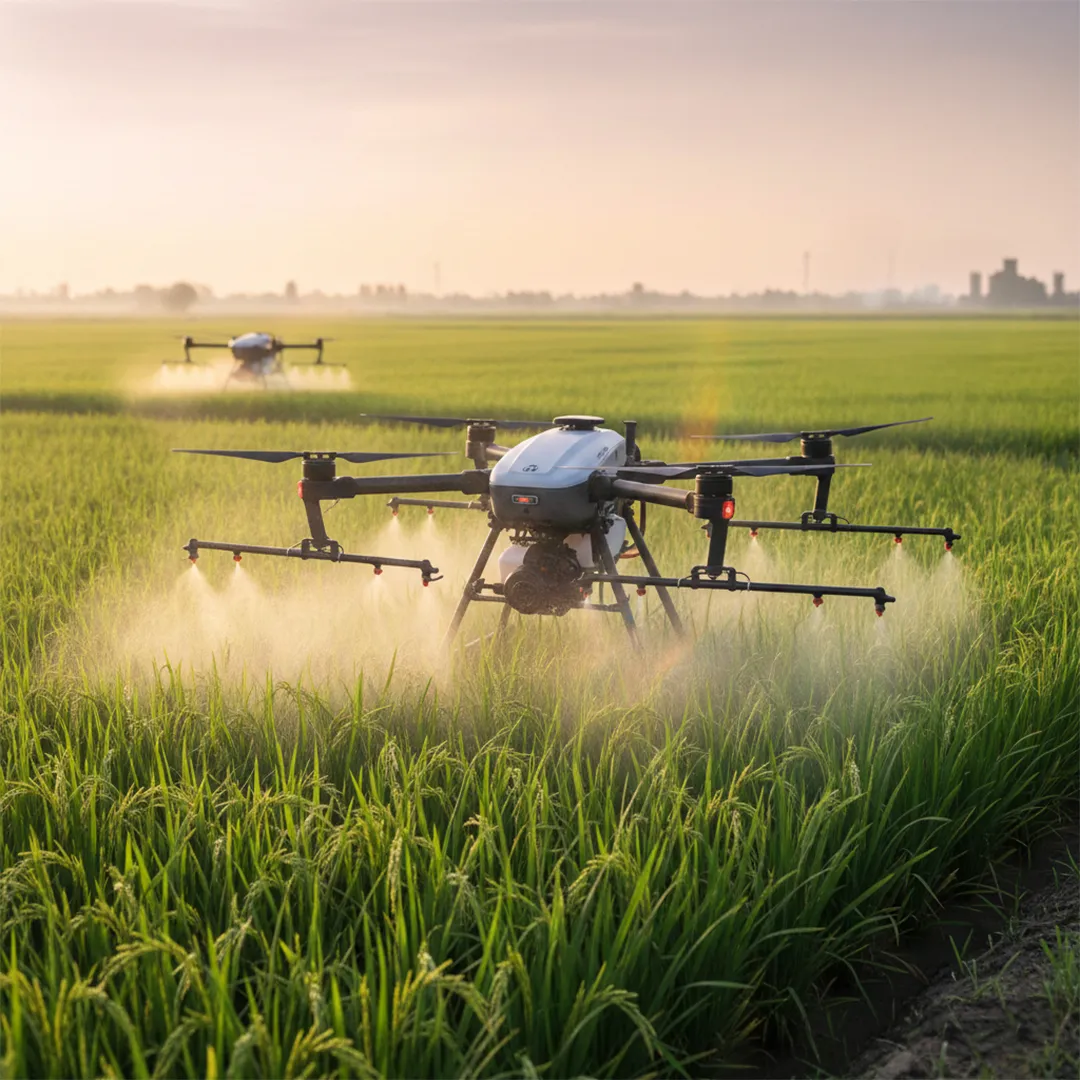
Fungicides are chemical or biological agents that stop or kill disease-causing fungi. They are an important part of modern farming and help farmers protect their crops and increase yield. Products like blue copper fungicide have been trusted by farmers for decades due to their effectiveness against a wide range of fungal pathogens.
There are two main categories of fungicides:
- Preventive Fungicides: Applied before any disease appears, creating a protective layer on the plant surface to stop fungal spores from developing. Copper oxychloride 50 WP is an excellent example of a preventive fungicide.
- Curative Fungicides: Used after infection and work by entering the plant tissue to stop further fungal growth.
Using the best fungicide for rice or potatoes helps farmers manage fungal diseases effectively and ensures stronger, more productive crops.
Major Fungal Diseases in Rice Farming
Rice is one of the most widely cultivated crops in India, but it is also highly susceptible to fungal infections. Among them, sheath blight, blast, and brown leaf spot are the most common.
Sheath Blight in Rice
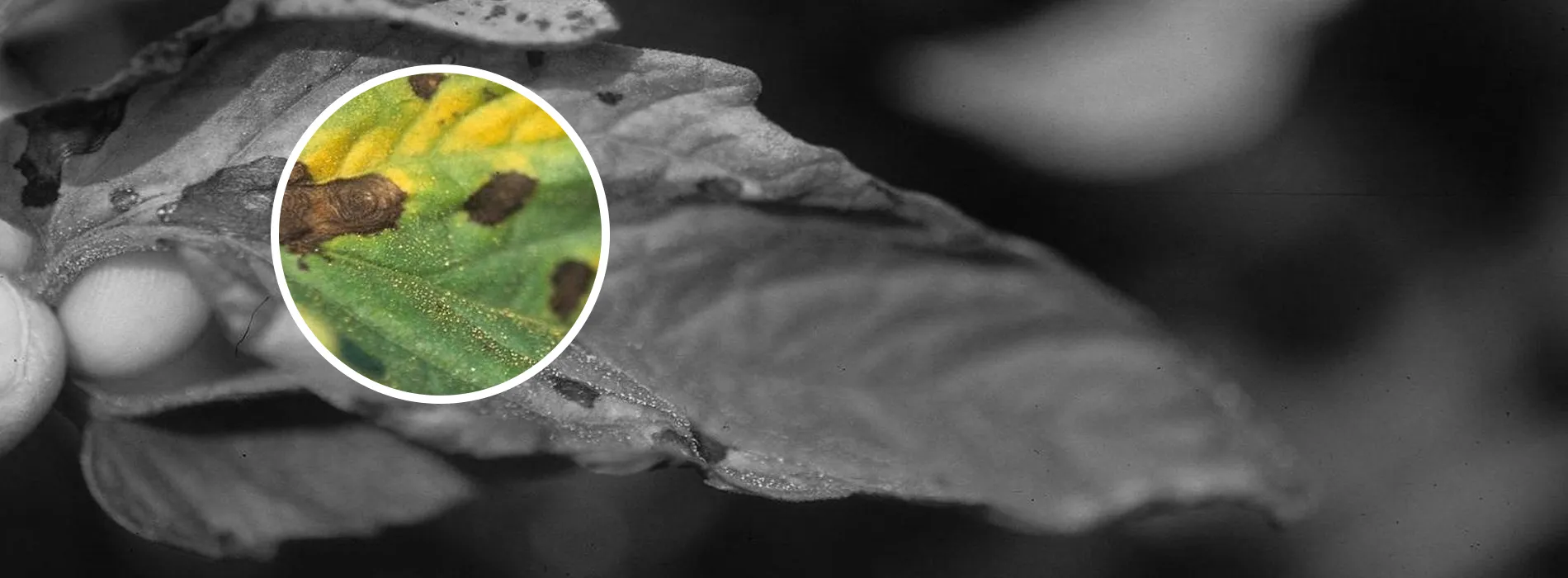
Sheath blight is caused by the fungus Rhizoctonia solani. The disease starts as lesions near the base of the rice plant and spreads upward, causing the sheath to rot. Warm temperatures, high humidity, and dense plant spacing increase the risk. To control sheath blight, farmers should use the best fungicide for sheath blight that offers both preventive and curative action. A copper based fungicide can be part of an integrated disease management strategy. Maintaining proper spacing, avoiding excess nitrogen fertilizer, and removing infected residues are also important management steps.
Blast Disease
Blast disease, caused by Magnaporthe oryzae, appears as grey spots with brown edges on leaves and neck rot on panicles. It spreads quickly in poorly drained fields. To manage it, farmers should choose resistant varieties, maintain good drainage, and apply systemic fungicides early in the infection stage.
Brown Leaf Spot
This disease is caused by Bipolaris oryzae and appears as brown circular spots on the leaves. When severe, these spots merge and reduce photosynthesis. Balanced fertilization and the use of broad-spectrum fungicides are effective in controlling brown leaf spot. Understanding copper fungicide uses can help farmers make informed decisions about disease control. Timely spraying with effective fungicides and maintaining field hygiene are essential for disease-free rice farming.
Managing Insect Pests Alongside Fungal Diseases
While fungal diseases are a major concern, insect pests also pose significant threats to rice and potato crops. Aphids, hoppers, and other sucking pests can weaken plants and make them more susceptible to fungal infections. Using an effective flonicamid insecticide can help control these pests. Flonicamid is a modern insecticide that targets sucking pests without harming beneficial insects. Flonicamid 50 WG is particularly effective and offers excellent control of aphids and other sap-feeding insects. Understanding flonicamid 50 WG uses allows farmers to integrate pest and disease management for healthier crops.
Major Fungal Diseases in Potato Farming
Potato is another crop highly affected by fungal infections, especially those that attack the soil and tubers. The most damaging diseases include black scurf, early blight, and late blight. Choosing the right potato fungicide is critical for successful potato cultivation.
Black Scurf
Black scurf, caused by Rhizoctonia solani, is one of the most serious problems in potato farming. It forms black crust-like patches on the potato surface and can cause stem canker, reducing tuber quality and size. The best fungicide for black scurf should be applied as a seed treatment before planting. Farmers are advised to use certified, disease-free seed potatoes and avoid growing potatoes in the same field repeatedly. This helps minimize the risk of infection.
Early Blight
Early blight is caused by Alternaria solani and shows up as concentric brown rings on the leaves. It leads to early leaf drop and poor yields. To manage early blight, farmers should remove infected debris after harvest, rotate crops, and apply systemic fungicides at the early stages of disease development. A reliable potato fungicide with copper content can provide excellent protection against early blight.
Late Blight
Late blight, caused by Phytophthora infestans, is one of the most destructive potato diseases. It causes water-soaked, dark patches on leaves that spread rapidly during wet weather. Regular preventive spraying with protective fungicides like blue copper fungicide and proper irrigation management are key to controlling this disease. Following good field sanitation, using resistant varieties, and applying the best fungicide for potato farming can ensure high-quality, marketable potatoes.
How to Choose the Best Fungicide for Rice and Potato Crops
Choosing the right fungicide depends on the crop, disease type, and local weather conditions. Here are some important points to consider:
- Identify the Target Disease: It is important to know whether the infection is caused by sheath blight, black scurf, or another fungus before choosing a fungicide.
- Understand the Fungicide Type: Systemic fungicides move through the plant, providing long-lasting protection, while contact fungicides like copper oxychloride 50 WP act only on the surface and need reapplication after rainfall.
- Crop Compatibility: Always use fungicides that are labeled safe for rice farming or potato farming.
- Prevent Resistance: Avoid using the same fungicide repeatedly. Rotate products from different chemical groups to maintain effectiveness.
- Environmental Considerations: Choose eco-friendly fungicides that are safe for beneficial insects, soil, and water systems.
Benefits of Copper Based Fungicides
Copper based fungicide products have been used in agriculture for over a century and remain popular due to their effectiveness and reliability. The copper fungicide uses are diverse, ranging from controlling bacterial diseases to preventing fungal infections in various crops.
Key benefits of copper fungicides include:
- Broad-spectrum activity against multiple fungal and bacterial pathogens
- Excellent preventive action when applied before disease onset
- Long-lasting residual protection on plant surfaces
- Compatible with integrated pest management programs
- Approved for use in organic farming systems
Products containing copper oxychloride 50 WP are widely recommended for potato farming and other vegetable crops due to their proven efficacy against late blight and other diseases.
Best Practices for Applying Fungicides
Even the best fungicide for rice or potatoes will not perform well if not applied correctly. The following practices help improve effectiveness:
- Apply fungicides preventively before diseases appear or immediately after noticing early symptoms.
- Follow the manufacturer's recommended dosage to avoid damage to the plants or soil.
- Spray evenly across the entire field to ensure full coverage of both upper and lower leaf surfaces.
- Always mix fungicides in clean water and avoid combining incompatible chemicals.
- Apply during calm, dry weather conditions to prevent the solution from being washed away or drifting.
- Rotate fungicides every season to prevent resistance buildup in pathogens.
Proper timing and technique are key to achieving full disease control and healthier crops.
Integrated Pest and Disease Management
For optimal crop protection, farmers should combine fungicide applications with effective insect pest control. While blue copper fungicide and other potato fungicide products control fungal diseases, insecticides like flonicamid 50 WG manage sucking pests that can transmit viral diseases and weaken plants. Understanding flonicamid 50 WG uses helps farmers protect their crops from aphids and other pests that commonly attack rice and potato crops. This integrated approach ensures comprehensive protection and maximizes yield potential.
Fungicides and Sustainable Agriculture
Sustainable agriculture aims to balance productivity with environmental health. Fungicides play an important part in this system by keeping diseases under control and reducing crop losses, but they must be used responsibly. When used correctly, fungicides can reduce disease pressure, improve nutrient use efficiency, and increase yield without harming soil organisms. Combining fungicides with biological controls, resistant crop varieties, and crop rotation forms a strong, eco-friendly disease management plan. Copper based fungicide products are particularly suitable for sustainable farming as they are approved for organic use and have minimal environmental impact when applied correctly. This approach helps farmers produce healthy food while protecting the environment and maintaining long-term soil fertility.
Tips to Improve Yields in Rice and Potato Farming
Good farming practices go hand in hand with fungicide use to boost productivity. Here are a few tips for better yields:
- Always use certified seeds and disease-free seed potatoes.
- Keep soil fertile through balanced use of organic matter and nutrients.
- Maintain proper drainage, as standing water promotes fungal growth.
- Monitor crops regularly for early signs of fungal disease.
- Rotate crops each season to prevent soil-borne infections.
- Apply fungicides like copper oxychloride 50 WP at the correct growth stage and follow all safety guidelines.
- Use flonicamid insecticide to control sucking pests that can spread viral diseases.
These practices ensure healthier plants, higher yields, and reduced dependence on chemical treatments.
Overview of Potato Farming in India
Potato farming is a major part of India's agricultural economy. It provides income and employment to millions of farmers across states such as Uttar Pradesh, Gujarat, Punjab, and West Bengal. Potatoes grow best in cool climates and well-drained soil. Farmers should always begin with certified, disease-free seed potatoes and treat them with an appropriate potato fungicide before planting. Proper irrigation, pest control using products like flonicamid, and disease management throughout the crop cycle help achieve better yield and quality. Combining fungicide use with modern farming techniques ensures that potato farming remains profitable and sustainable.
Recommended Products for Disease and Pest Management
For effective crop protection in rice and potato farming, consider the following products:
- Kocide: A premium blue copper fungicide that provides excellent protection against fungal and bacterial diseases. Understanding copper fungicide uses can help you maximize its benefits in your farming operations.
- Hideki: A powerful flonicamid 50 WG formulation that effectively controls aphids and other sucking pests. The flonicamid 50 WG uses extend to various crops including rice, potatoes, and vegetables.
Conclusion
Fungal diseases like sheath blight in rice and black scurf in potatoes can cause severe crop damage and economic loss if left unchecked. Using the best fungicide for rice and potato farming, such as copper based fungicide products like copper oxychloride 50 WP, is one of the most effective ways to protect crops and ensure high yields. Additionally, integrating insect pest control with products like flonicamid insecticide provides comprehensive crop protection. To get the best results, identify diseases early, apply fungicides at the right time, and combine them with sustainable farming practices. Healthy crops lead to better harvests, improved profitability, and stronger farming communities. By following these steps and using quality products like Kocide and Hideki, farmers can keep their fields disease-free and continue producing high-quality rice and potatoes season after season.